
Sell the waste instead of the upside
October 21, 2026
Pitching the shiny future of your product is often the wrong way to sell it. Most founders sit down to write an email or build a pitch deck and immediately list every benefit they can think of. They promise faster workflows, smoother days, and higher margins. It sounds appealing, but the prospect rarely bites with any real urgency. To a busy buyer, an extra gain feels like a nice bonus they can put off until next quarter.
If you want people to pay attention, you've got to talk about what they're already losing every single week.
What loss aversion really means
That reaction comes down to a simple principle called loss aversion.
The idea is straightforward: people hate losing something much more than they enjoy gaining something of the exact same value.
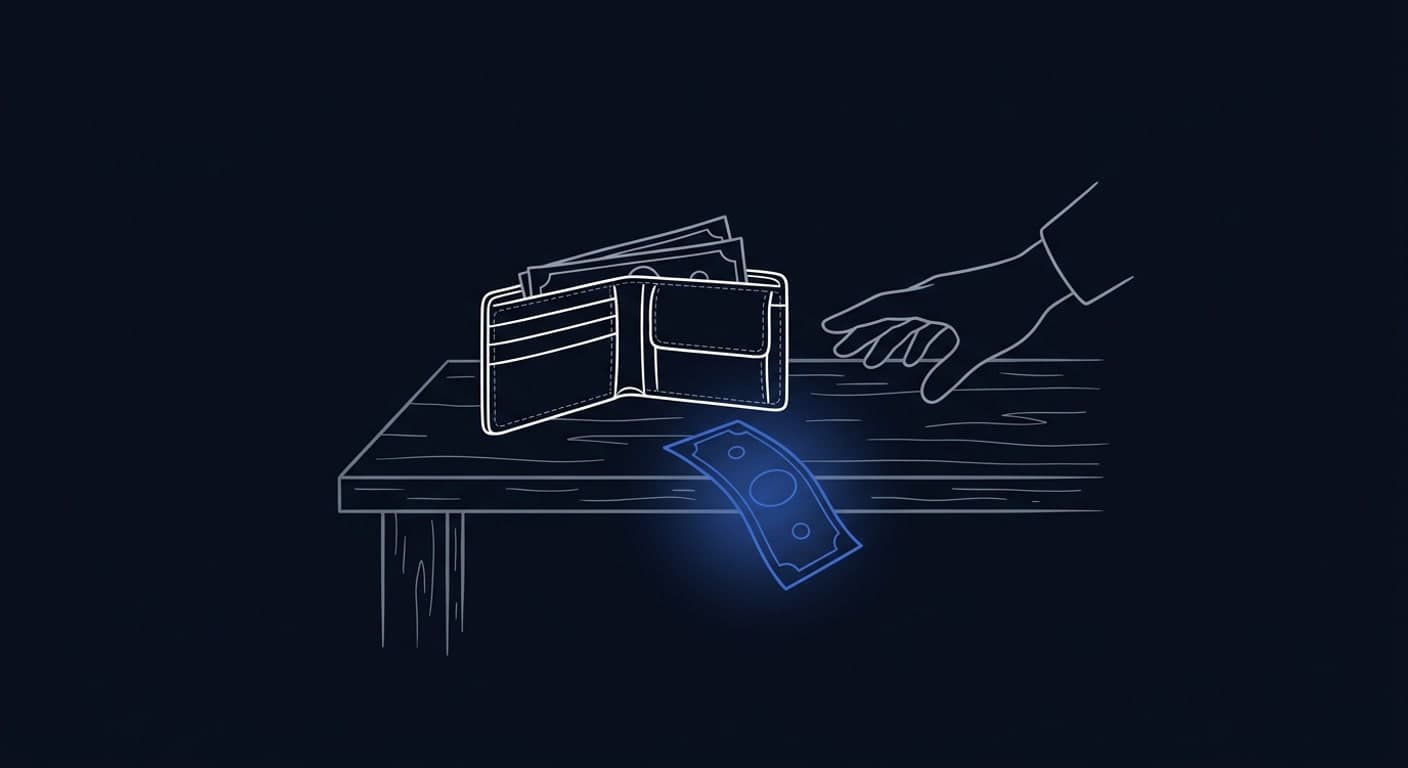
Think about how this plays out in normal life. Say you find a twenty-dollar bill on the sidewalk on your morning walk. You smile, slip it into your pocket, and feel pretty good about your day. Now imagine walking home that evening and realizing a twenty-dollar bill slipped out of your pocket and vanished. That frustration hurts far more than the morning find felt good. The math on paper is identical, but the emotional sting of dropping what was already yours is much sharper.
In business, buyers look at every pitch through that same lens. When you talk about a new benefit, you ask them to reach for an uncertain reward. When you point out the money currently slipping through their fingers, you touch a nerve they want fixed immediately.
Why our brains hate losing
There's a practical reason we react this way. Missing out on an extra upside just leaves your day exactly as it was. Your routine stays normal, your bills stay paid, and nothing threatens your position. But losing resources actually hurts your standing and creates real friction.
We naturally protect what we already hold. We judge decisions against where we stand right now, our everyday baseline. Moving backward from that baseline triggers regret, anxiety, and frustration. Moving forward feels optional, but taking a direct hit feels intolerable.
When you understand this, your entire approach to sales shifts. You stop trying to convince people that they need an exciting new future. Instead, you help them see that their current routine is actively costing them resources.
How to use this in your sales process
Most sales conversations fail because the seller starts with the promise before establishing the problem. Here's how I'd structure a conversation using this idea:
-
Name the leak before naming the fix → Don't open with how fast your tool runs. → Point out the hours their team wastes retyping data every single week.
-
Put a real price on the delay → When prospects say they need a month to think, show them what that month costs. → If their messy inbox costs them two qualified leads a week, waiting thirty days means giving up real revenue.
-
Reset their baseline with a short trial → Let them use the solution inside their real workflow for a week. → Once they rely on the setup, turning it off feels like taking a painful step backward.
Say a prospect runs that trial for two weeks; walking away suddenly feels like giving up a capability they already rely on.
The line between clarity and fear
There's an important distinction you need to make here. Using loss aversion in your sales process isn't about scaring people into signing a contract. High-pressure fear tactics destroy trust, and nobody enjoys feeling manipulated into a purchase.
It isn't about creating fake panic. It's about bringing real, quiet waste to the surface.
Most business owners are simply too busy putting out fires to notice how much cash and time their old habits drain. You aren't inventing a new threat. You're just handing them a clean mirror so they can finally see the leak.
Next time you review your pitch, ask yourself one plain question. Are you selling an optional future, or are you helping your buyer stop wasting money today?
Get the newsletter
Short, direct notes on business and AI. No fluff, no spam.