
A quick no beats a slow maybe
October 12, 2026
When a buyer says they need to think about it, they rarely do. Say a rep treats this as a genuine request for time. They wrap up the call, log a follow-up task for next week, and move on. But by next week, the deal is cold. The risk is that your pipeline fills up with people who have already mentally moved on. You end up chasing ghosts instead of closing real business.
The polite exit
Nobody likes an awkward conversation. When someone sits across from you on a call, telling you that your offer costs too much feels uncomfortable. It creates tension. Most buyers choose the path of least resistance.
Asking for time sounds reasonable. It lets the buyer walk away without hurting your feelings, and it lets the rep pretend there's still hope. But it isn't an honest delay. It hides a real objection the buyer doesn't want to say out loud.
Usually, it comes down to a few basic issues:
- The price is too high for what they get.
- The product doesn't actually fit their problem.
- They aren't the person who makes the final decision.
- Or they just don't care enough to act right now.
Give them permission to say no
The best moment to solve this problem is at the very start of the meeting. Most sales calls begin with unspoken pressure. The seller wants to close, and the buyer wants to defend their budget. That setup practically forces the polite lie at the end.
You can break that dynamic in the first two minutes.
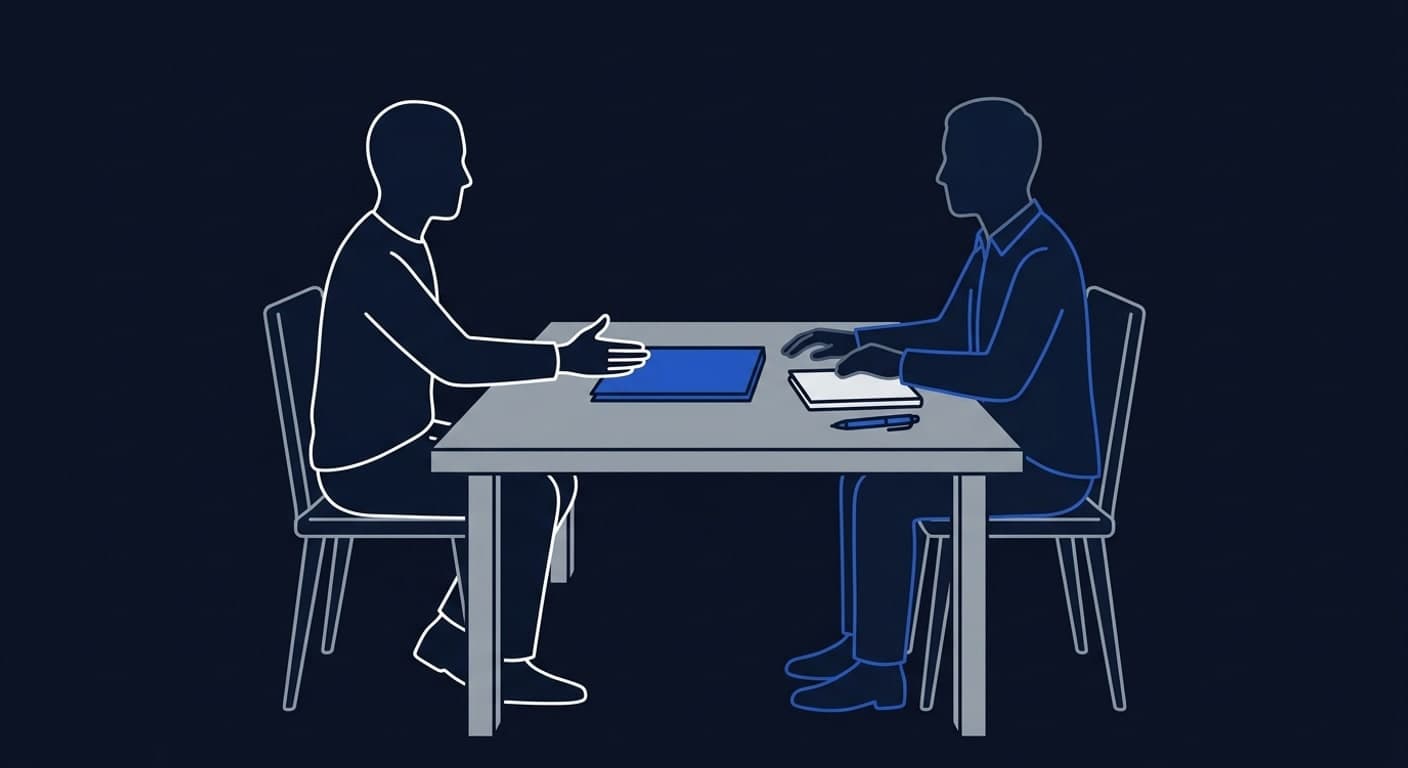
I always suggest taking the pressure off before you show your offer. Tell the prospect straight away that a no is completely fine. You can say something simple:
"By the end of this call, we'll both know if this makes sense. If you realize this isn't for you today, are you comfortable telling me no?"
When people know they can reject you without a fight, they don't need a polite exit later. You remove the awkwardness. If your offer isn't a fit, they tell you directly, and your team doesn't waste weeks sending polite follow-ups into an empty inbox.
Take the pressure off
What happens if you didn't set that agreement early, and the buyer still asks for time at the end?
The worst move is pushing back right away. If you demand to know what they need to think about, they pull away. Nobody likes feeling trapped in a corner. An aggressive counter turns a small doubt into a defensive wall.
Instead, agree with them. Say something calm and plain: "That makes complete sense. It's a big decision, and you shouldn't rush it."
The buyer usually expects a fight. When you agree with them, you eliminate the fight entirely. Once the tension drops, their guard drops with it. That's when you can have a real conversation about what's actually holding them back.
Isolate the real hesitation
Once the pressure is gone, you have to replace the vague idea of time with a concrete question. Time doesn't make decisions. People make decisions once their questions get answered. When a buyer says they need five days, they have a specific concern they haven't shared yet.
Ask them directly, without turning it into a fight:
"Usually when people need to think about it, it comes down to either the price or the fit. Which one is it for you?"
Give them those two options. Almost every time, they'll pick one. They might tell you the price feels steep right now. Or they might admit they aren't sure how it fits into their current team routine.
Now you have the truth on the table. You aren't guessing anymore. You can address the real concern right there, or you can both agree that walking away makes sense.
Why a fast no wins
Your business doesn't lose money on deals that say no on day one. A clean no costs you twenty minutes.
Where companies bleed hours and focus is on the slow maybe. It's the prospect who asks for time, ignores three messages, and slowly disappears. That deal clutters your pipeline and drains your reps' time.
A quick no is much more profitable than a slow maybe. Help your team find the real truth early, and stop letting them chase maybes.
Get the newsletter
Short, direct notes on business and AI. No fluff, no spam.