
AI Business Automation: Build Systems Before Tools
September 22, 2026
Implementing AI business automation is often seen as a magic wand for operational inefficiencies, but the reality is that tools cannot replace fundamental business logic. Many entrepreneurs and managers look for a shortcut to results before they have established a reliable foundation for their operations. While the allure of a hands-off, automated company is strong, technology is merely an accelerant. If you apply it to a broken process, you are not fixing the problem; you are simply making the problem happen faster and at a much larger scale.
Building the Foundation for AI Business Automation
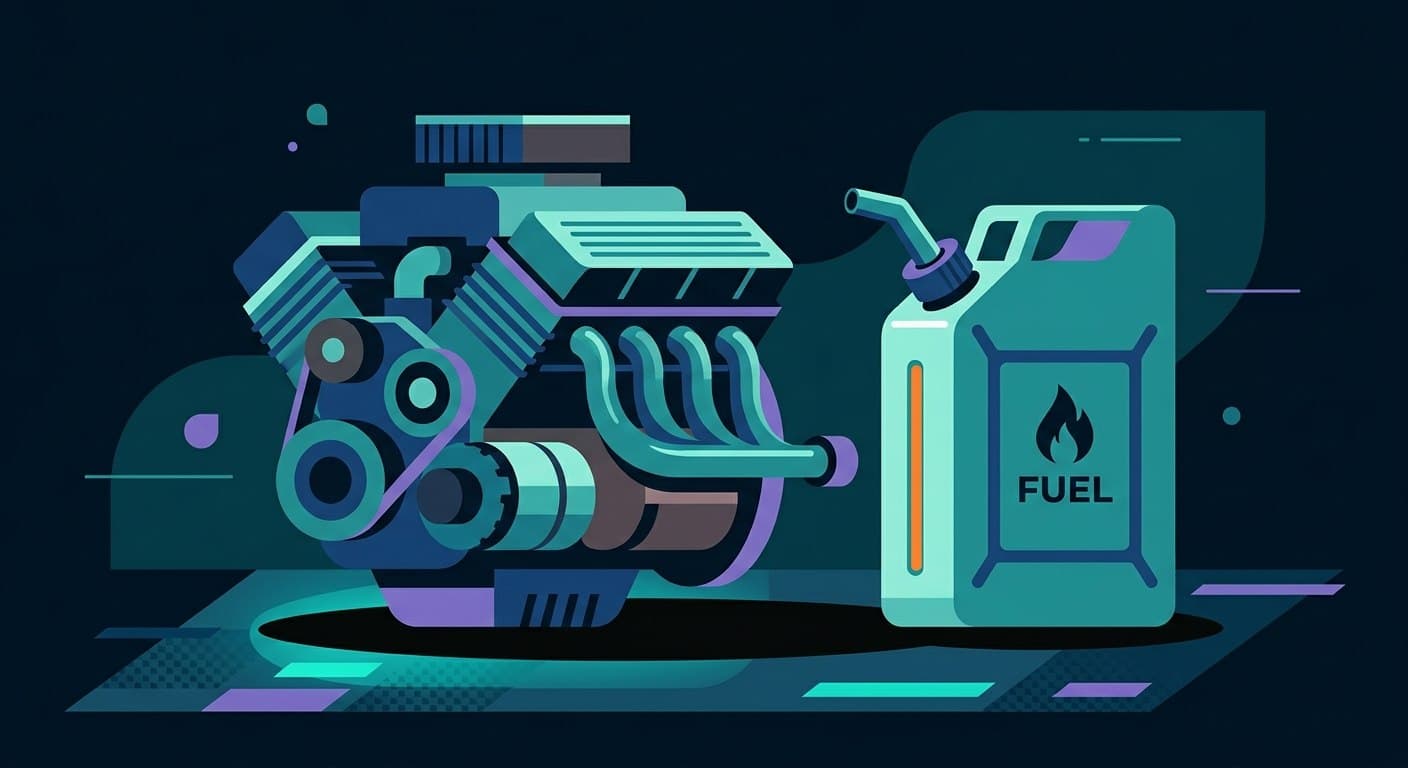
Think of your business system as a physical engine and AI as high-performance fuel. If the engine is missing essential parts, has rusted gears, or was designed with flawed geometry, pouring in high-grade fuel will not make the vehicle move. Instead, the fuel will just leak out and create a costly mess on the floor. You must focus on building and tuning the machine before you worry about what kind of fuel to use. Many organizations rush to integrate the latest LLMs or automation platforms without realizing that their engine is currently held together by guesswork and manual heroics.
When you attempt to automate a system that is not clearly defined, you create technical debt that is incredibly difficult to untangle later. A flawed manual process that is digitized becomes a permanent bottleneck. To avoid this, you must treat your business architecture as the primary product and the technology as the support layer. Only when the logic of the workflow is sound and the steps are repeatable can you expect AI to provide a meaningful return on investment.
Refining Workflows Through Manual Mastery
The most effective way to prepare for automation is to master your processes by hand first. You must do the work yourself to understand the nuance of every input and the requirement of every output. By performing tasks manually, you identify the friction points, the edge cases, and the hidden complexities that a software tool might overlook. When you know exactly how the gears turn, you gain the clarity required to tell a machine how to replicate that movement. Mastering the manual workflow provides the blueprint for a successful digital transition.
This stage of development is where true business growth is born. It is during the manual phase that you refine your value proposition and ensure that your steps actually lead to the desired outcome. If a human cannot follow your current process and produce a consistent result, an AI definitely cannot. You are looking for a state of process maturity where the variables are known and the outcomes are predictable. Once you reach this point, the transition to automation becomes a matter of translation rather than discovery.
Scaling Business Systems With Technology
Technology is a multiplier, and it is important to remember the mathematics of scaling. If you multiply zero, you still get zero. If you multiply a broken or inefficient process, you simply get a high-speed mess. To achieve sustainable growth, you must build a system that generates value on its own. AI business automation should be used to push a working system further, not to pull a failing system out of a hole. By focusing on scalable systems first, you ensure that technology serves your goals rather than dictating them.
In the modern landscape, business literacy and tech literacy have effectively merged into the same skill set. You can no longer lead a growing company without understanding how systems function, nor can you effectively deploy technology without a deep understanding of business fundamentals. The goal is to create a seamless integration where your operational logic and your technological tools work in harmony. Refining your workflow before you automate it is not a delay in progress; it is the most efficient path to long-term success.
Focusing on the underlying system ensures that your business remains resilient even as specific tools change. Technology will continue to evolve at a rapid pace, but the logic of a well-built system is timeless. Build the machine first, verify that it works, and then use the power of AI to drive it toward your goals.
Get the newsletter
Short, direct notes on business and AI. No fluff, no spam.